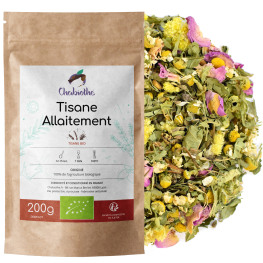
Breastfeeding can be a rewarding experience, but it can also raise questions about hydration, comfort and milk supply. Herbal teas are sometimes marketed for nursing mothers. Their ingredient lists deserve particular attention because not every plant is appropriate during breastfeeding.
Why are breastfeeding infusions popular?
When a baby arrives, establishing feeding can be joyful but also tiring and sometimes complicated. Many cultures have traditions of offering warm herbal drinks to new parents, both as moments of rest and in the belief that particular plants can encourage milk production. These blends are often described as galactagogues, a word used for substances believed to promote lactation. The reputation of a plant is not the same thing as evidence that a particular tea increases milk supply.
Milk production depends chiefly on the physiology of lactation, how effectively and frequently milk is removed, the baby's feeding pattern and individual factors. When a parent is worried about supply, direct observation of feeding and help from a midwife, healthcare professional or qualified lactation specialist are much more useful than simply drinking larger quantities of an herbal infusion.
Fenugreek and its traditional reputation
Fenugreek seeds have a characteristic warm, slightly bitter, maple-like aroma. They are used as a spice in many cuisines and have long been included in traditional postpartum mixtures. The French article describes their reputation for supporting lactation. Research into fenugreek as a galactagogue has produced uncertain and variable results; it is not appropriate to promise that it will increase milk output for every parent.
Fenugreek can cause digestive symptoms and allergic reactions, and it may be unsuitable alongside certain medicines or health conditions. Because culinary exposure is different from frequent or concentrated herbal supplementation, decisions about a daily fenugreek infusion during breastfeeding should be discussed individually with a competent professional.
Green anise in breastfeeding traditions
Green anise is prized for its sweet, aromatic seeds and has long appeared in herbal infusions and traditional preparations. Its distinctive taste comes from compounds including anethole, which is also present in some other aromatic plants. Historical accounts sometimes link anise to lactation, but its use in a tea is not reliable evidence of an improvement in milk production.
It is important to distinguish food-grade green anise from other botanicals with similar common names. Plant identity, extraction strength and the presence of concentrated essential oils matter. Essential oils are not interchangeable with dried culinary seeds and should not be added to infant or breastfeeding preparations without appropriate professional advice.
Fennel: an important question of safety
Fennel is also rich in aromatic compounds and has frequently appeared in traditional blends for nursing parents. It was historically used both for its aniseed taste and for an assumed influence on lactation or infant colic. The French article calls attention to more recent concern about estragole, one of the compounds that can be present in fennel preparations, and to the need for precaution in vulnerable groups.
Safety assessment depends on the plant, preparation and population concerned. Herbal drinks given directly to infants are not an appropriate substitute for milk or medical care. The use of fennel in repeated, concentrated preparations during breastfeeding should not be presumed safe simply because it is sold as a tea. Follow current professional and regulatory guidance rather than older promotional claims about galactagogues.
How to choose a breastfeeding herbal tea
Look first at the ingredient list, botanical names where supplied, quantities, directions and cautions. Organic certification describes production standards but does not automatically settle questions of physiological safety. Avoid blends that promise to cure breastfeeding problems or guarantee increased milk production. Choose a supplier that explains what is included and who should seek advice before use.
A pleasant warm drink can support a moment of calm and make hydration more enjoyable, but drinking beyond thirst is not a proven way to increase milk supply. What matters is a suitable overall diet, access to support and addressing any feeding difficulty directly. If supply is low, feeding is painful or the baby's weight gain is in doubt, seek prompt individual care.
About the Chabiothé breastfeeding blend
Our blend takes inspiration from traditional aromatic seeds and herbs, including those discussed in the original French article. The intention is to offer an enjoyable herbal beverage, not a medical product. Read the current packaging for the exact composition, since recipes and regulatory recommendations can change. As with any herbal mixture used while nursing, discuss regular use with a healthcare professional familiar with breastfeeding.
Frequently asked questions
Will a breastfeeding tea increase my milk supply?
No herbal tea can be guaranteed to do that. Evidence for many traditionally used ingredients is limited, and any difficulty with milk production deserves appropriate assessment and support.
Are fenugreek, anise and fennel the same kind of ingredient?
No. They are different plants with different constituents, even though some have similar aromas and appear together in traditional recipes.
Can I give the infusion to a newborn?
Do not give an herbal infusion to a baby as a substitute for breast milk or infant formula. Ask the child's healthcare professional about any proposed use.
Does organic mean risk-free?
No. Organic certification is not a test of whether a plant is suitable during pregnancy, breastfeeding or infancy. Botanical identity and the individual's circumstances remain important.
What should I do if breastfeeding is difficult?
Seek help from a qualified midwife, lactation specialist or healthcare professional to assess feeding, latch, milk transfer and the baby's growth. Herbal drinks are not a substitute for that support.
This guide describes traditions and precautions, not a recommendation to treat breastfeeding or infant health problems with herbs.
Illustrations