
The world of spices is vast and fascinating, with an extraordinary range of flavours and aromas. Timut pepper, also known as Timur berry, is one of the Himalayan spices that particularly caught our attention. Its fresh citrus fragrance and gentle tingling sensation surprise chefs and home cooks alike. That is why we added it to our spice range some years ago.
Join us as we discover this distinctive spice, its history, the traditions associated with it and the many ways you can use it in cooking.

Origins, history and cultivation of Timut pepper
Timut pepper does not grow on an ordinary pepper vine. It comes from a thorny shrub in the citrus family (Rutaceae), identified as Zanthoxylum armatum. It is particularly associated with Nepal and Tibet, although it also grows in neighbouring areas such as India and Bhutan. The name is associated with the Himalayan regions where the spice has long been gathered and cultivated.
The history of Timut pepper goes back centuries, and it is difficult to say exactly when people first began using it: written records are scarce. Local communities traditionally valued the berries for properties attributed to them in folk medicine. One Nepalese legend tells of a hungry monk travelling through the mountains who tasted a few berries and discovered their remarkable flavour.
In Himalayan traditions, Timut berries have also been associated with offerings and ceremonies connected with purification, protection and prosperity. They may appear at weddings and seasonal or religious celebrations, lending their fragrance to the festivities and their bright flavour to special dishes.
The spice comes from the fruit of a thorny Rutaceae shrub. Its name is misleading: it is not a true pepper like Malabar black pepper, which grows on a vine in the Piperaceae family. Instead, Timut is related to citrus plants, which helps explain its unmistakable grapefruit-like notes. The shrub grows naturally in the Himalayan foothills and is also cultivated locally.
It thrives in particular climatic conditions. Growing areas are often situated between 1,000 and 2,500 metres above sea level, where relatively dry winters and wet summers provide the seasonal contrast and well-drained soils it favours.
The berries are harvested by hand when mature. They are initially green and fleshy, then spread out to dry naturally in the sun. During drying they darken and develop the fragrant, citrus-led character for which Timut is prized.
How to use Timut pepper
Timut is loved for its distinctive aroma: bright and citrusy, with only a gentle peppery tingle. This makes it an unusually versatile spice with plenty of unexpected applications.
In savoury cooking, try Timut with veal sweetbreads, beef, pork or fish. A little freshly ground Timut is delicious on fish tartare or a fillet gently cooked in butter. It also brings a lively lift to vegetables, stir-fries, salads and wok dishes.
It also works surprisingly well in desserts. Try a pinch in chocolate cream, fruit salad, a crumble, fruit tart or homemade jam. Its grapefruit-like notes can give familiar sweets an original twist.
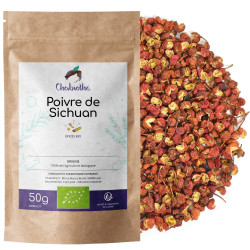
Timut is an excellent addition to marinades for meat, fish, vegetables and tofu. Its aroma pairs with olive oil, soy sauce and honey, allowing you to create a wide range of sweet, salty and tangy combinations.
Its citrus character makes it equally interesting in drinks. Grind just a few berries into fruit juice, tea, coffee, chilled herbal infusions or cocktails. Mixologists use Timut in fruity and tart cocktails, while some craft brewers add it to beer for a distinctive citrus note.
Timut pepper and traditional uses
Beyond cooking, Timut has a place in traditional Himalayan plant knowledge. Like various spices, it contains aromatic compounds and substances studied for antioxidant activity. However, the presence of these compounds does not establish that eating Timut prevents illness or premature ageing.
Traditional accounts also associate Timut with digestion and appetite. These uses should not be taken as proven medical effects. As with other pungent spices, excessive amounts may irritate the stomach, particularly for people with digestive sensitivities.
Some constituents of Zanthoxylum plants, including aromatic compounds such as limonene and sabinene, have been investigated in laboratory research. Laboratory findings do not show that ordinary culinary consumption treats infections or strengthens the immune system. Enjoy Timut primarily for its flavour.
Conclusion — why try Timut in your cooking?
Timut has a long-standing place in Himalayan food culture and is now finding its way into kitchens around the world. It is a versatile spicethat brings freshness, personality and a distinctive citrus twist to sweet and savoury recipes alike. It is not a substitute for a balanced diet, but it is certainly a delicious way to add variety to everyday meals. If you enjoy discovering new flavours, Timut is well worth trying.