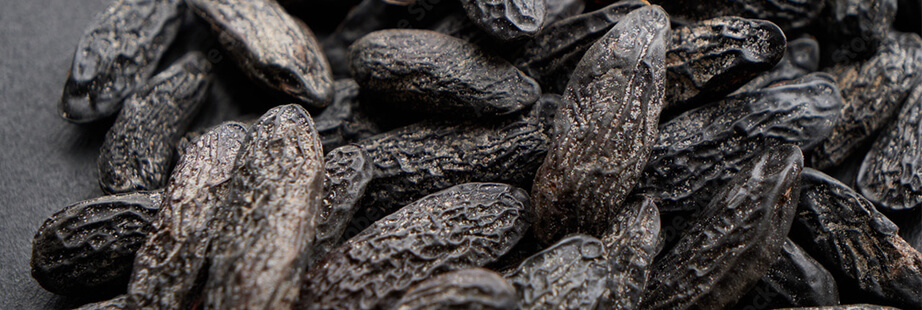
Tonka beans are prized for a striking aroma reminiscent of vanilla, almond, caramel and warm hay. A little grated bean can give desserts an unusual depth of flavour. Their richness also means that careful use and knowledge of local rules are essential.
The tonka bean: origin, legend and cultivation
Tonka beans come from the fruit of Dipteryx odorata, a tropical tree native to parts of South America. The trees produce pods containing dark, aromatic seeds. After harvesting and appropriate drying, these seeds develop the intensely fragrant character for which tonka is known. Their perfume recalls vanilla, caramel, almond and sometimes liquorice, making a tiny shaving surprisingly noticeable in a dessert.
Tonka has travelled through different culinary and perfumery traditions. Indigenous and local stories surrounding the tree form part of the cultural background described in the original French article. As with many fragrant plants, its historical uses extend beyond the kitchen, but stories about medicinal or symbolic powers are not evidence of proven medical benefits.
Why does tonka smell so distinctive?
One of its characteristic compounds is coumarin, which creates a sweet, hay-like aroma also associated with some types of cinnamon and other fragrant plants. This explains why tonka can add depth to vanilla-based preparations without tasting exactly like vanilla. Grating a small amount just before use helps reveal its fragrance.
Its strong aroma also means that quantity matters. Tonka is not an ingredient to use as if it were flour or a handful of nuts. Culinary regulations vary between countries because coumarin can be harmful at excessive levels. Always check the rules applicable to food use in your market and use a product intended for the purpose.
Ideas for using tonka in the kitchen
Tonka can add an elegant note to custards, creams, chocolate desserts, rice pudding and fruit preparations. Its sweet fragrance can also complement savoury cream sauces, especially when used sparingly. Introduce just a trace at first, taste the preparation and avoid adding large amounts in an attempt to create a stronger effect.
1. Tonka crème brûlée
Prepare a classic custard mixture with cream, egg yolks and sugar. Warm the cream gently and infuse it with a very small grating of tonka bean, then strain if needed. Incorporate the cream into the yolks, cook the custards gently until set and chill. Immediately before serving, sprinkle with a thin layer of sugar and caramelise the surface. The tonka should support the dessert's vanilla-like character rather than dominate it. Follow a food-safe recipe for egg cooking and use coumarin-containing flavourings within the limits applicable to the finished food.
2. Rice pudding with tonka
Simmer pudding rice slowly in milk until the grains become tender and the mixture creamy. Add sugar according to your taste and, towards the end, flavour with only a trace of freshly grated tonka. Vanilla, citrus zest or fruit can also be used to build the aroma. Serve warm or chilled. The source article presents this as a simple way to appreciate tonka's rich scent in a familiar family dessert.
3. Tonka sauce for white meat
For a savoury variation, prepare a light cream sauce to accompany poultry or other white meat, using the meat juices or a suitable stock as a base. Add a tiny amount of grated tonka, simmer briefly and taste before adding any more. The result should be subtle: sweet, almond-like aromatic notes can work well alongside an otherwise savoury dish when restrained.
Benefits, coumarin and contraindications
The original French article discusses traditional reputations surrounding tonka and its aromatic constituents. These should not be interpreted as evidence that eating a tonka bean improves health. Coumarin may damage the liver when consumed in excessive amounts, and some countries restrict or prohibit the use of tonka in food. The exact legal position is jurisdiction-specific; do not infer authorisation from a product being sold online.
Particular caution is appropriate for children, during pregnancy or breastfeeding, and for anyone with liver disease or taking medicines that could affect the liver or blood clotting. There is no general-purpose medicinal dose. Use tonka only for its culinary flavour, where permitted, and in strictly controlled food-appropriate quantities.
Frequently asked questions about tonka beans
Are tonka beans allowed in France?
Food rules distinguish products and permitted uses. Check the current applicable rules, especially on coumarin, before marketing or using tonka as an ingredient. Do not assume that rules in other countries are identical.
What are the risks?
Excessive coumarin exposure can be harmful, particularly to the liver. The strength of a whole bean varies, so large or repeated quantities are inappropriate.
How do I use tonka in desserts?
Where permitted, grate a minute amount into a cream, custard or other mixture and taste before considering any adjustment. A little can have a striking effect on flavour.
Can I put it in an infusion?
Tonka's aroma can be extracted into liquids, but that does not make repeated tonka infusions a good idea. Do not use it as a health drink or in concentrated amounts.
How much should I use?
No universal number of shavings guarantees compliance, since coumarin content and recipe portions vary. Follow applicable food regulations and professional ingredient guidance.
Is tonka suitable for children or pregnant people?
Because it contains coumarin and its use is restricted in some markets, seek qualified advice and avoid unnecessary exposure in these groups.
Illustrations