
Cloves are wonderfully aromatic, versatile spices with a long history across many cultures. In this guide we explore where they come from, how they are produced, the dishes they complement and the traditions associated with them.
Where cloves come from and how they are grown
Cloves are the flower buds of Syzygium aromaticum, a tree native to Indonesia's Moluccas, historically known as the Spice Islands. These volcanic islands were once the only source of cloves. Indonesia remains a major producer today, alongside countries such as Madagascar, Tanzania, Sri Lanka and India.
Growing clove trees is a longstanding tradition in these regions. They need a warm, humid tropical climate and soil rich in organic matter. The evergreen trees can reach around 20 metres in height.
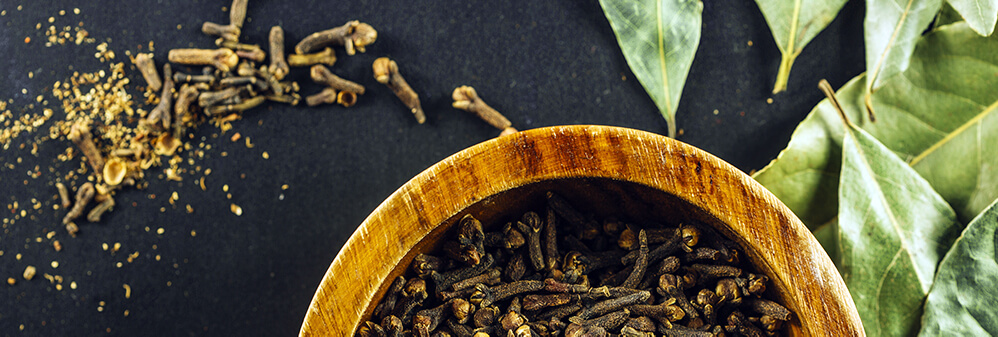
The cloves we use are actually unopened flower buds. They are picked by hand before flowering and then sun-dried or dried in purpose-built facilities until firm and brittle. The buds may be yellow, green or pink before turning brown as they dry. A tree can yield roughly three to four kilograms. Kept in airtight containers away from moisture and light, dried cloves retain their fragrance for months and sometimes years.
The history of cloves
Cloves have a long and fascinating history. In the ancient world they were highly prized, notably in Egypt and Rome, and could be worth as much as other luxury goods.
Chinese accounts of cloves date back to the Han period. The spice was sometimes called 'bird's tongue' and was reportedly chewed to freshen the breath before speaking to the emperor.
In ancient Egypt, cloves were associated with symbolism, rituals and beliefs. Accounts of their use in burial practices reflect the importance attached to fragrant plants, although historical details vary from source to source.
The Romans valued cloves as a luxury ingredient, using them for flavouring, fragrance and hygiene. They were also associated with remedies in traditional medicine, particularly for digestive complaints.
Throughout the Middle Ages, cloves remained valuable commodities and were sometimes used as items of trade.
These historical examples show that cloves were appreciated for more than their taste, even before they became a familiar kitchen spice.
Today cloves can be found in most European supermarkets, but this was not always so. European explorers and trading powers, including expeditions in Magellan's era, sought sea routes to the Spice Islands. Competition for control of the spice trade also involved conquest and violence and had a profound impact on global trade and history.
Cloves in cooking around the world
Cloves are remarkably versatile in the kitchen. Their powerful, warm, woody flavour, with a gently pungent edge, gives depth to savoury dishes and sweet recipes alike.
In India and elsewhere in South Asia, cloves feature in spice blends such as garam masala. In Indonesia, they can be combined with cinnamon and cardamom in dishes such as slow-cooked beef rendang. They are also a classic ingredient in masala chai, the Indian drink made with black tea, spices, milk and sugar that inspired our Chai Black Tea and Ayurvedic Herbal Infusion.

In the United States, cloves appear in festive cooking. They season sweet dishes such as Thanksgiving pumpkin pie and savoury favourites including honey-glazed ham studded with cloves.
Centuries of trade helped cloves become part of traditional European cooking too. You will find them in French and German sauerkraut dishes, British and German gingerbread, mulled wine, French pot-au-feu and some traditional British fruit puddings.
Cloves and traditional properties
Cloves have been used in traditional remedies for centuries. They contain eugenol, an aromatic compound studied for antioxidant and anti-inflammatory activity. These laboratory findings should not be interpreted as proof that cloves eaten in food can treat inflammatory conditions such as arthritis.
Cloves have a longstanding association with toothache remedies, while some traditions also connect them with digestion. Concentrated clove essential oil is very different from the dried culinary spice: it can irritate tissues and is not a substitute for appropriate dental or medical treatment. Do not apply undiluted essential oil to the gums.
Because concentrated clove products can have significant effects, seek medical advice before using them during pregnancy or breastfeeding, or alongside medicines such as anticoagulants. Culinary amounts are not the same as medicinal doses.
Cloves offer much more than a powerful scent. Their extraordinary history and wide-ranging culinary uses make them a useful ingredient to keep in the spice cupboard. Try them sparingly in a stew, a warming drink or a dessert and discover the depth they can bring.
FAQ — cloves, flavour and uses
What are the traditional uses of cloves?
Cloves are traditionally associated with digestive comfort and dental care. However, their historical use does not establish that they prevent or treat illness. Enjoy them in ordinary culinary quantities and consult a healthcare professional for symptoms or treatment advice.
What do cloves symbolise in different traditions?
In some cultures, cloves are associated with protection, purification and harmony. Their intense fragrance has given them a place in symbolic ceremonies and traditional rituals.
How can I use cloves in cooking?
Add a few whole cloves to slow-cooked dishes, marinades, curries, desserts or warming drinks such as mulled wine. Their flavour is strong, so start with a small amount and remove whole cloves before serving when appropriate.
Which spices pair well with cloves?
Cloves pair particularly well with cinnamon, ginger, cardamom, star anise and nutmeg. These combinations appear in warming spice blends, infusions and festive recipes.