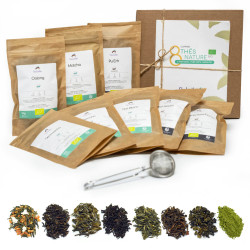
There is a vast world of tea beyond a standard breakfast blend. Each style has its own origins, production methods, aroma and preparation ritual. Here are eight to get to know, whether you are a seasoned tea drinker or just beginning to explore.
1. Matcha: a Japanese ritual
Matcha is powdered green tea traditionally whisked into warm water. Its vivid colour, vegetal umami taste and frothy texture are unmistakable. Japanese tea traditions celebrate the preparation itself, not simply what is in the bowl. Try it plain first, then as a latte or in cooking.
2. Darjeeling: a tea of altitude and season
Grown in the foothills of the Himalayas in India, Darjeeling teas are celebrated for their delicacy, floral aromas and seasonal differences. First-flush teas are often fresh and light, while later harvests can develop rounder, muscatel notes. Their origin matters as much as their style.
3. Pu-erh: fermented and aged tea
Pu-erh comes from Yunnan, China, and exists in several styles, including traditionally aged raw tea (sheng) and more rapidly fermented ripe tea (shou). Depending on production and ageing, its flavour can be earthy, woody, sweet or surprisingly bright. It is prized for its sensory qualities rather than unproven slimming promises.
4. White tea: a delicate cup
White tea is lightly processed and often made from young leaves or buds. It can be subtle, with floral, hay-like, honeyed or fruity notes. Use water that is not too hot and allow the leaves enough room to unfold.
5. Oolong: between green and black tea
Oolong tea is partially oxidised, covering an exceptionally broad spectrum. Light styles can be floral and creamy, while darker, roasted oolongs may taste nutty or toasted. Many are especially rewarding when infused several times.
6. Lapsang Souchong: a smoky black tea
Traditional Lapsang Souchong has woody, smoky notes reminiscent of campfire and pine. It is a memorable tea in its own right and a curious ingredient in savoury cooking, from marinades to smoky rice.
7. Masala chai: black tea and spices
In India, chai means tea. Masala chai is a spiced preparation commonly made with black tea, milk and a blend that may include cardamom, cinnamon, ginger, cloves and pepper. Recipes vary by home, region and personal preference.
8. Earl Grey: a citrus classic
Earl Grey is black tea flavoured with bergamot, a fragrant citrus fruit. Its bright, aromatic profile is familiar but never dull. Enjoy it plain or with a little milk, depending on the base tea and your taste.
Build your own tea tasting
Compare teas using similar amounts of water and leaves while respecting each tea's brewing temperature. Notice the dry-leaf aroma, liquor colour, texture and aftertaste. Trying a variety side by side is one of the easiest ways to discover your preferences.
How the eight essential teas differ
Matcha: powdered tea for a special ritual
Matcha is made from tea leaves that are shaded before harvesting and then ground into a fine powder. Instead of infusing and discarding the leaves, you whisk the powder into water and drink the whole suspension. Its vivid green colour and savoury, umami character distinguish it from most loose-leaf teas. It is traditionally prepared with a bamboo whisk in a broad bowl, but can also be enjoyed in a latte or used in desserts.
Darjeeling: a tea of seasonal harvests
Tea cultivated around Darjeeling, in India's Himalayan foothills, is appreciated for its delicate aromas and the differences between seasonal harvests known as flushes. Spring-picked teas can be lighter and more floral, while later harvests may develop fuller, muscatel-like notes. Water temperature and steeping time should be adjusted to the individual tea rather than treating all Darjeelings as identical.
Pu-erh: an unusual tea that can change with age
Pu-erh comes from Yunnan in China. Raw sheng styles undergo gradual maturation, while ripe shou teas are made using accelerated microbial processing. These methods lead to very different cups, from vibrant and sometimes astringent to dark, mellow, earthy infusions. Traditional round cakes were convenient for storage and transport; loose-leaf forms are also available today.
White tea: gentle processing and delicate flavours
White tea is usually produced from young buds and leaves which are withered and dried with relatively limited processing. Flavour profiles vary, but many examples offer subtle floral, hay-like or fruity notes. The delicacy of the leaves rewards attentive brewing, especially when comparing a silver-needle style with fuller-leaf white teas.
Oolong: a whole spectrum of oxidation
Oolong, or wulong, sits between green and black tea in processing terms, but is far from a single flavour. Depending on cultivar and production method, it can be fresh and floral, creamy, roasted, honeyed or intensely aromatic. Many oolongs lend themselves to repeated short infusions, revealing a different balance of aromas each time.
Lapsang Souchong: the smoky exception
This black tea from China's Fujian region is traditionally associated with smoke-drying over wood, often pine. The resulting wood-smoke flavour can be striking, making it an unusual drinking tea and an interesting culinary ingredient. A small amount can contribute depth to marinades, sauces or savoury dishes without requiring artificial smoke flavour.
Masala chai: black tea with whole spices
Masala chai combines black tea, frequently Assam, with spices such as ginger, cardamom, cinnamon, cloves and black pepper. In many Indian households, the mixture is simmered with milk and sweetened to taste. Recipes differ by family, region and season, so there is no single definitive spice ratio. Those avoiding caffeine can try an aromatic spice-only infusion instead.
Earl Grey: bergamot and British tea-time culture
Earl Grey takes its distinctive citrus note from bergamot, a fragrant citrus fruit. It is commonly prepared with black tea and pairs well with biscuits, scones and fruit-based cakes. It can be served plain or with milk, depending on preference. Although closely associated with British afternoon tea, the stories told about the blend's invention are not all historically established.
Choosing a tea for your tastes
Start with how you plan to enjoy it. For a concentrated whisked tea, choose matcha; for a lighter and more subtle infusion, explore white tea; for floral complexity, try Darjeeling or Oolong; and for assertive flavours, consider Pu-erh, Lapsang or chai. Earl Grey offers a familiar fragrant black tea. With the exception of a spice-only infusion, these teas come from Camellia sinensis and contain caffeine.